
Implicit Self
Images from my soul, dedicated to the world that makes me
Social Documentary Photography – The River People In The Peruvian Amazon
Here is my photo story published in the Edge of Humanity magazine on the beautiful people of the Amazon.

Photographer Ishita Das @ Implicit Self is the Edge of Humanity Magazine contributor of this social documentary photography. These images are from her project ‘Portrait – Riberenos‘. To see Ishita’s gallery of projects click on any image.

 Amazonian Octogenarian
She did not know her age
As the Amazon or its precursor rivers flow along, only small to medium size villages flourish by the river banks. These villages have names like Puma Cahua and Nueva York, San Jose de Paranapura and even Manhattan..

 Family in Nueva york
 Village female Mayor

Whenever civilization has entered the lives of indigenous people there is much more loss to the people and to the environment than can be justified by development. However, at the end of the rubber booms, in the absence of an alternative industry, the region around Iquitos and the Peruvian Amazon was sort of left alone to regenerate. Now, along the…
View original post 508 more words
Ruins of a sugar mill in Lamanai, Belize

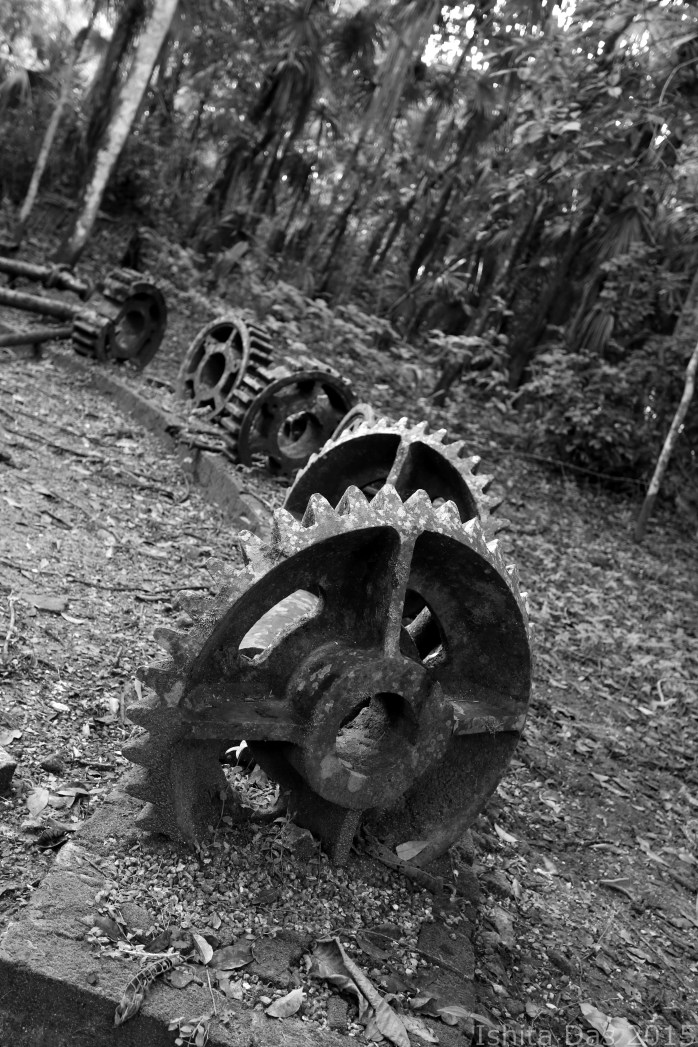
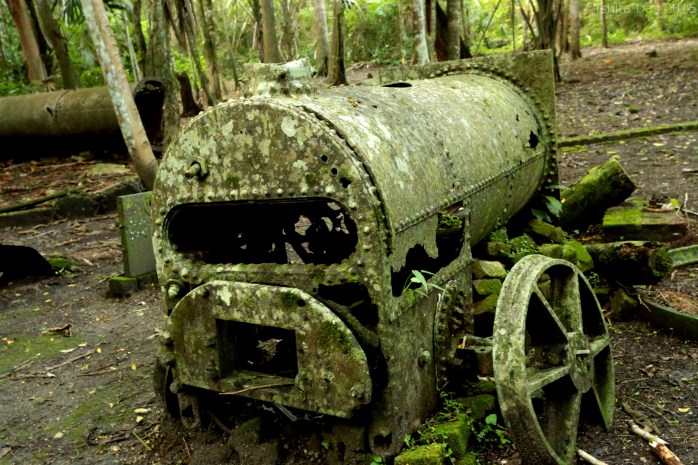
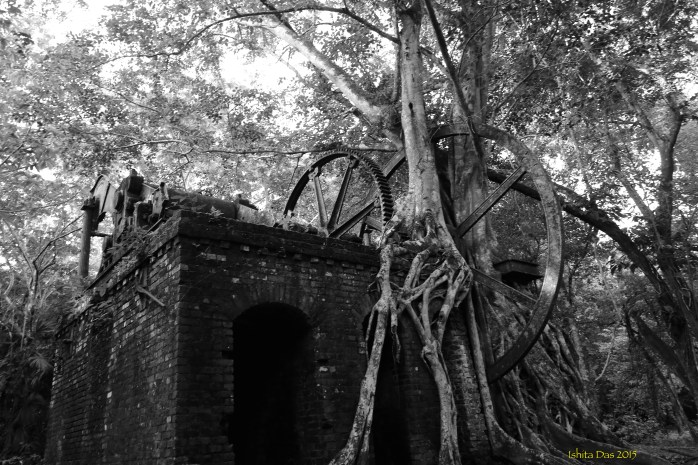
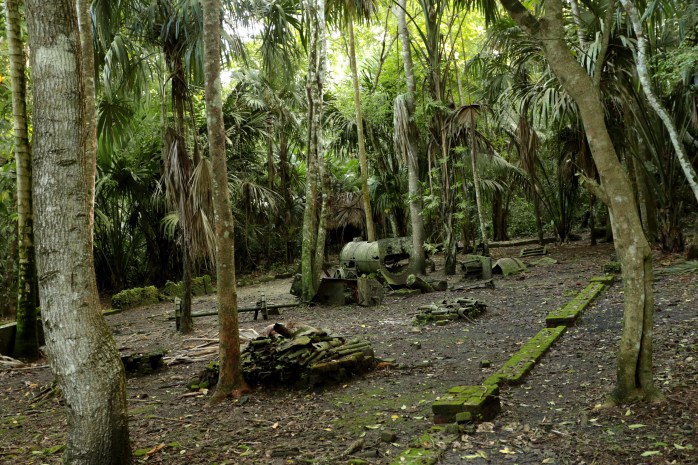
Amidst a rain forest we expect to find a lot of things, but it is rare to find a dilipidated sugar mill. I would think that was interesting enough, however, how the rain forest is taking back its land is a sight in itself, even if the sugar mill had not had an interesting story.
Except of course, it does! In the 1850s, the British Hyde, Hodge and company having high aspirations in commercial sugar production and sale in Honduras decided to construct a sugar mill at a site in Lamanai area, called the Indian Church (although the church in this region had been built by the Spanish invaders after razing a Maya temple). The principal workforce was brought from southern China to run the sugar mill and the take care of the cane plantation (modestly sized at 250 acres). Most of the sugar produced in the 1860s here was devoted to making rum, in fact the workers towards the end of the mill’s short years of function are believed to have been paid with and in rum, our guide said.
Inherently poor in design, with the engine separated by an impractical distance from its boiler and the crusher set far from the evaporation tank, the mill probably wouldn’t have lasted long anyway. Additionally, the cone gears with missing teeth indicate the worker’s had little knowledge of this kind of work, probably rice farmers originally! By the end of the first decade the mill was already headed spirally downwards. By 1880s the site was abandoned to the mercy of the rain forest. And it is working towards gladly taking back what was its own.
The site was beautiful, and would be easy to find once you are in Lamanai outpost, however do not dare go without bug spray the mosquitoes get you and I still have bite marks from December!
The waltz of tulips

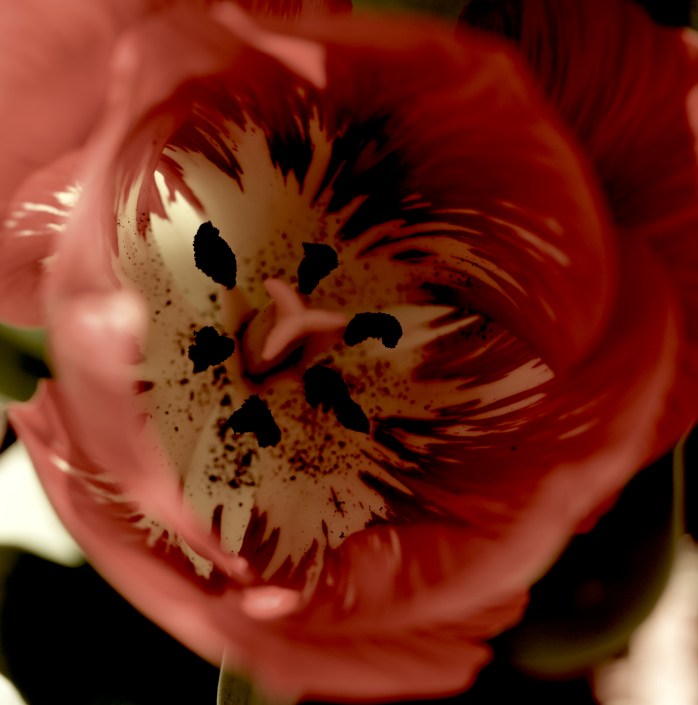 This weeks photo challenge is about motion and dance and I have to tell ya, when tulips dance to the Oklahoma winds, it is one of the nicest dances to see. ( but not so nice to photograph with a macro lens).
However, the petals and the pistil and the anthers seem to have their own circle -dance, as they close and open every day taking a cue from the weather. The anthers the pistil parts look like they are in a graceful gancho (arms connected). It is, if I may so render, there own waltz. In their little world of one flower, the petals encircle, the anthers court and waltz away as the wind plays its music..
My tulips that are really, mine.




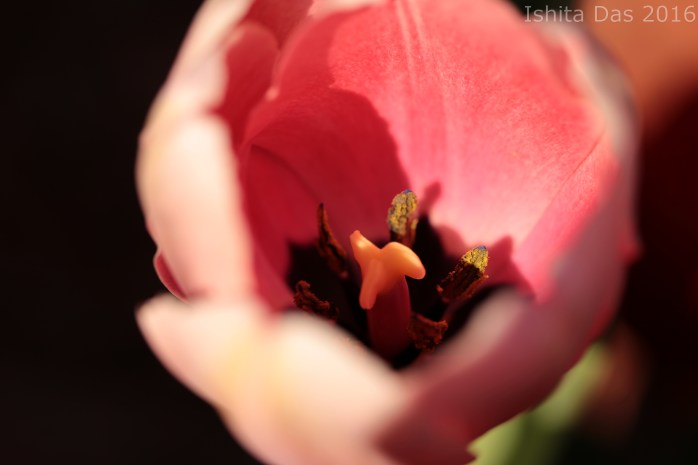


That said, I think the ‘joys’ of home-ownership should be rephrased to correctly state the actual phenomenon of it.. The ‘chores and daily grind’ of home-ownership. However, I am grateful for the distraction these tulips brought me, with the added benefit of proving that I don’t kill everything I plant (and I really don’t, it is just the ones indoor that all die of too much love, errr.. watering).
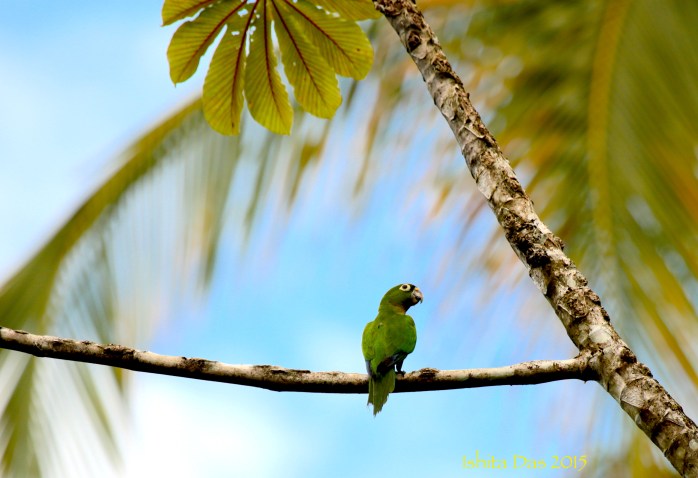
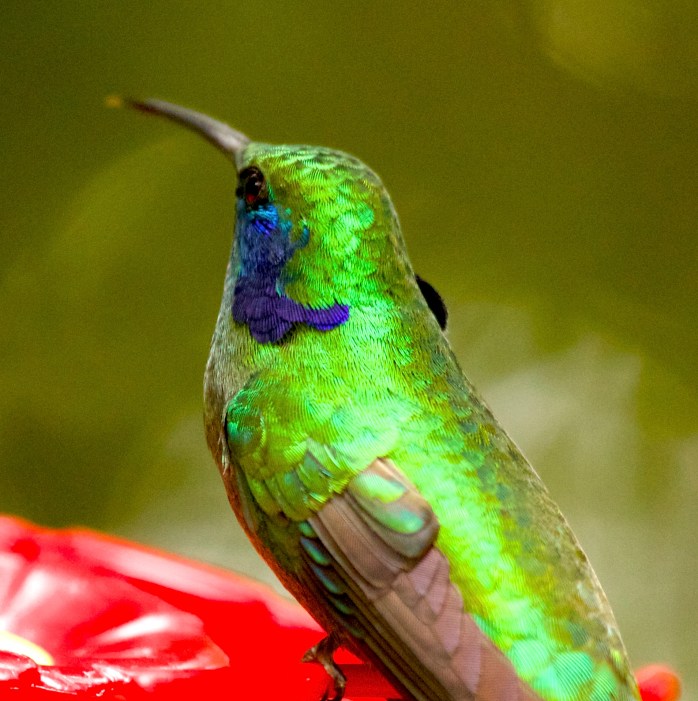
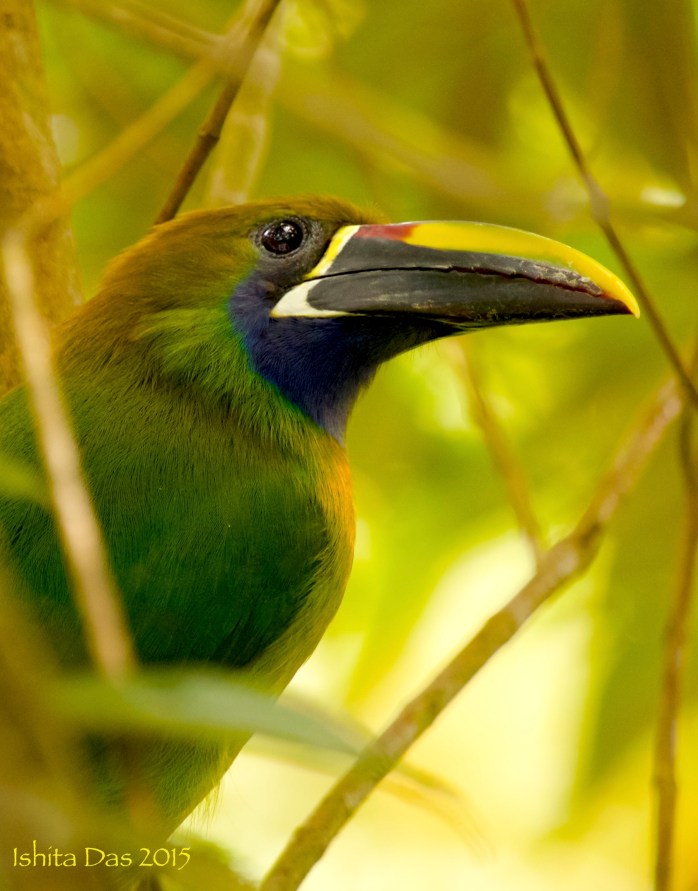
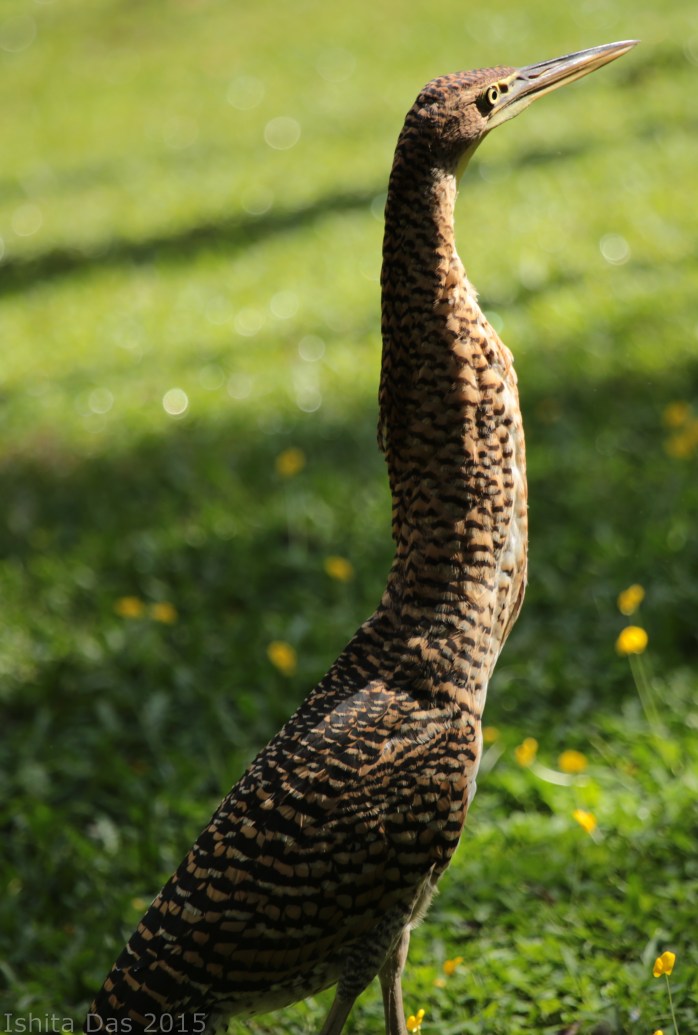
Paused for thought: Birds of Costa Rica






Shall we sloth? in Costa Rica


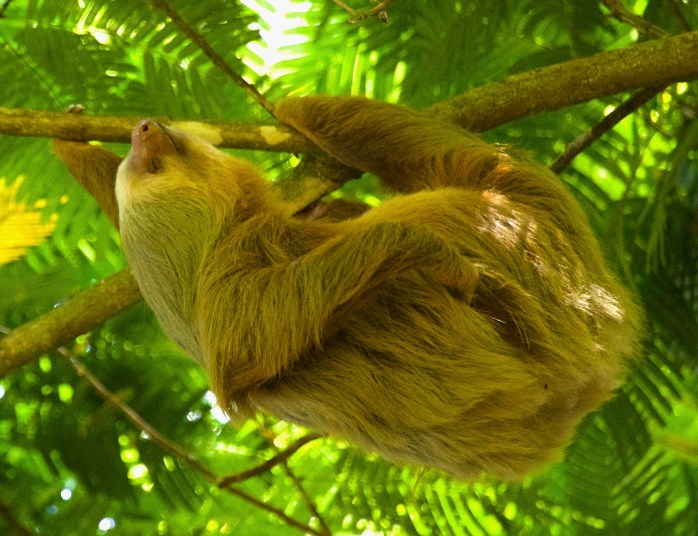
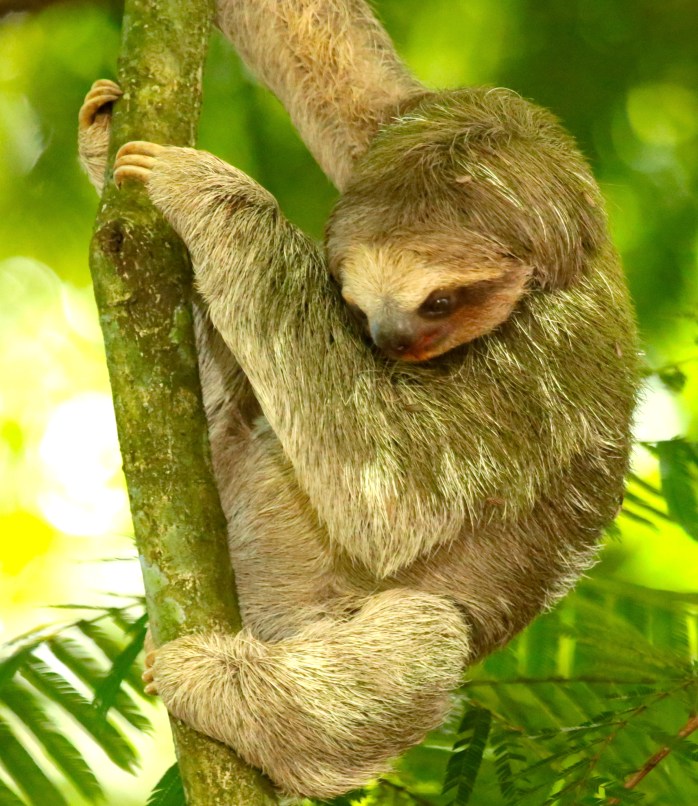

In the Amazon, we saw many sloths. They were miles away and above (on kapok trees). It took the strength of my powerful binoculars to make out their hanging forms, and if we were lucky, there faces. Since then, I thought that sloths can be seen in nature only in that distance.
Obviously, I was wrong. Our wonderful guide Jonathan asked us to take our binoculars while stopping for lunch, on our way to Sarapiqui. There were some woods, but in Costa Rica we were always in thicker woods, so I hadn’t expected much. He beckoned excitedly, while we were taking a round of the premise before lunch, as I was engaged with army ants and how no one in CR cares if you walk around them (or they march around you) and leaves them alone, I moved quickly towards where he was. And there she was. My first three toed sloth at about 40 ft above on a slender tree, a tree that I could touch. She is a she (see photo) as she has no orange patch on her back, only that greenish moss and she is small (that of course is too hard to tell without experience or comparison). She moves quickly, changing her original tree, that started to bend, and getting on another one in well under a few minutes. The moss actually grows on her fur at the back.
She wasn’t alone in that little patch of woods by the highway. For the first time ever, we saw a two toed sloth. It was much higher up, as they are expected to be. Itching away contentedly, with even greater wooly fur and the cute rodent-like nose.
Here they are, my sloths. Very active and ready to dance!
 Implicit Self